Fungus gnats hydroponics setups suffer from are usually the first real pest problem UK growers face — and they multiply faster than almost any other indoor pest. A single female lays up to 300 eggs in moist growing media, and the larvae chew through delicate hydroponic root hairs within days. Catch them in the first week and you’ll clear them with sticky traps and a £6 packet of BTI. Leave them three weeks and you’re looking at root damage, stunted growth and possibly losing the entire crop.

This guide covers the seven most effective chemical-free methods to stop fungus gnats hydroponics growers actually deal with — including which UK products work, what to ignore, and a 14-day eradication plan that breaks the breeding cycle for good.

🎯 Quick Answer

To get rid of fungus gnats hydroponics growers should attack adults and larvae together. Use yellow sticky traps for adults, BTI Mosquito Bits in the reservoir to kill larvae, hydrogen peroxide rinse to clean roots and growing medium, and diatomaceous earth on the surface as a barrier. Treat for at least 14 days to break the full life cycle. Expect total elimination in 2–3 weeks with no chemicals required.

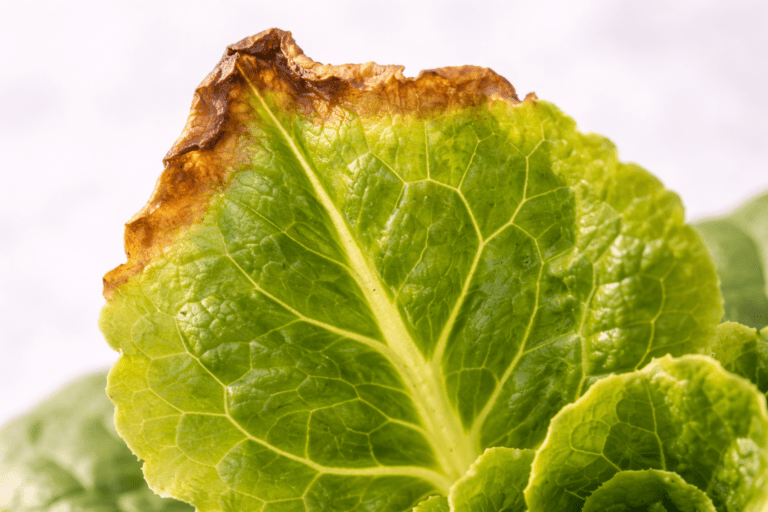
Close-up of a fungus gnat on a hydroponic lettuce leaf showing identification details

What are fungus gnats and why hydroponics attracts them

Fungus gnats are small flies — 2 to 4 mm long, dark grey or black, with long legs and clear wings. They look like miniature mosquitoes. They thrive in warm, moist environments rich in fungi and decaying organic matter, which is exactly what a poorly managed hydroponic system provides.

The adults are mostly an annoyance — they don’t bite or directly harm plants. But the females lay eggs in damp growing media, and the resulting larvae are the real problem.

Fungus gnat life cycle: Egg (4–6 days) → Larva (10–14 days) → Pupa (3–4 days) → Adult (7–10 days lifespan). Total cycle: roughly 21–28 days at typical UK indoor temperatures of 20°C. This is why partial treatments fail — you have to break the cycle, not just kill what you can see.

Why hydroponics is so attractive to fungus gnats

Three things make a hydroponic system perfect for fungus gnats:

  • Constant moisture. Hydroponic growing medium never fully dries out — eggs need this to hatch.
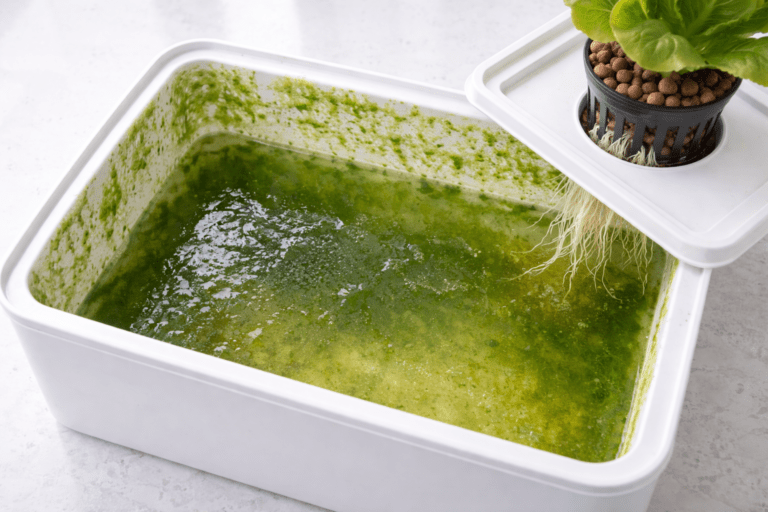
  • Algae and biofilm. Light hitting nutrient water grows green algae. Larvae feed on it.
  • Warm indoor temperatures. Year-round 18–24°C UK indoor growing speeds up the gnat life cycle.

Key takeaways

  • Fungus gnats reach hydroponic systems via potting soil, infested seedlings, or open windows
  • Adults don’t damage plants directly — larvae chew root hairs and spread plant disease
  • The full life cycle is 21–28 days, so treatment must run for at least 14 days
  • UK home growers can fully eradicate fungus gnats hydroponics setups have without chemicals
  • Prevention is 10× easier than treatment — keep medium clean and reservoirs covered

How to identify fungus gnats hydroponics setups have

Before you treat, confirm what you’re dealing with. Fruit flies, midges and shore flies all look similar to fungus gnats but need different treatment.

Pest Size Behaviour Where you see them
Fungus gnat 2–4 mm, dark grey/black Walks on growing medium, weak flier Net pots, clay pebbles, growing media surface
Fruit fly 3–4 mm, tan/yellow Hovers around food and bins Kitchen worktops, fruit bowls
Shore fly 3–6 mm, dark with red eyes Strong flier, similar habitat Algae-covered surfaces
Midge 1–3 mm, brown/grey Swarms outdoors near water Garden, outdoor water butts

The 5 telltale signs of a fungus gnats hydroponics infestation

  1. Small dark flies on the growing medium surface when you tap or move plants
  2. Tiny flies stuck to yellow sticky traps placed near the system
  3. Slow plant growth or yellowing leaves on otherwise healthy plants
  4. White worm-like larvae visible if you scratch the top of the growing medium
  5. Slimy patches of algae on clay pebbles or rockwool — gnats love these

The damage fungus gnats actually cause to hydroponic plants

People underestimate fungus gnat damage because the adults look harmless. The larvae do the real work.

  • Root hair damage. Larvae chew the fine root hairs that absorb water and nutrients. Plants stop growing even with perfect EC and pH.
  • Disease vectors. Larvae spread Pythium and Fusarium pathogens — the same fungi that cause hydroponic root rot.
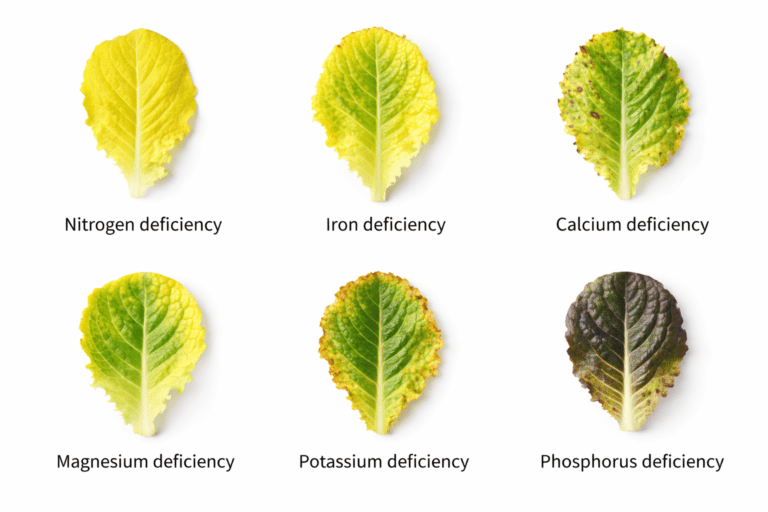
  • Yellowing leaves. Damaged roots can’t deliver nutrients. The first sign is pale yellow leaves on lower growth.
  • Wilting. Severe larvae populations destroy enough roots that plants wilt even with full reservoirs.
  • Failed seedlings. Young plants with shallow roots are most vulnerable. A bad infestation kills new seedlings within days.

How bad is your fungus gnats hydroponics infestation?

Treatment intensity depends on stage. Use this severity check before reaching for solutions.

🟢 Early stage — under 5 adults visible

Sticky traps and a single BTI dose will clear it. Treat for 7 days. Cost: £8.

🟡 Moderate — 10–30 adults, some larvae visible

Combine sticky traps, BTI weekly for 3 weeks, hydrogen peroxide root rinse, and diatomaceous earth surface barrier. Cost: £20.

🔴 Severe — 50+ adults, plants wilting, larvae everywhere

Full reservoir flush, replace growing medium, BTI for 4 weeks, sticky traps, hydrogen peroxide and beneficial nematodes. Consider sacrificing the worst-affected plants. Cost: £35–£50.

7 chemical-free methods to kill fungus gnats hydroponics fast

These seven methods are ranked by speed and effectiveness. The best approach combines multiple methods — adults need one type of attack, larvae another, eggs a third.

#1Yellow sticky traps (kills adults)

What it does: The bright yellow colour attracts adult fungus gnats. They land on the glue and die.

UK source: Amazon UK, B&Q, Wilko — around £4 for a pack of 20.

How to use: Place 1 trap per 30 cm of grow space, just above the growing medium. Replace when full. Most useful in the first 7 days of treatment.

#2BTI Mosquito Bits (kills larvae)

What it does: Bacillus thuringiensis israelensis — a soil-borne bacterium that kills fungus gnat larvae within 24 hours. Harmless to plants, pets, fish and humans.

UK source: Summit Mosquito Bits on Amazon UK — around £15 for an 8oz bag (treats 50+ trays).

How to use: Soak 4 tablespoons of bits in 4 litres of water for 30 minutes. Strain. Use the resulting “tea” to top up your reservoir or water seedling trays. Repeat every 7 days for 3 weeks.

#3Hydrogen peroxide root rinse (kills larvae and eggs)

What it does: 3% hydrogen peroxide kills fungus gnat eggs and larvae on contact, plus oxygenates roots.

UK source: Boots, Superdrug, Tesco pharmacy — around £3 for 200ml of 3% solution.

How to use: Mix 1 part 3% hydrogen peroxide with 4 parts water (so 250ml peroxide to 1 litre water). Pour through net pots and growing medium. Plants tolerate this well at 3% concentration.

#4Diatomaceous earth surface barrier (kills adults and larvae)

What it does: Fine fossilised algae powder cuts through soft insect bodies. Adults can’t lay eggs on it. Emerging larvae die crossing the surface.

UK source: Amazon UK, food-grade DE — £7 for 250g.

How to use: Sprinkle a 5mm layer over the top of the growing medium and clay pebble surface. Reapply after watering. Wear a mask when applying — the dust is irritating.

Chemical-free solutions for fungus gnats hydroponics including sticky traps BTI and diatomaceous earth

#5Light-proof the reservoir (eliminates breeding habitat)

What it does: Algae growing on lit reservoir water is the primary larvae food source. Cut light, cut food.

UK source: Free — black bin liner, aluminium foil, or duct tape.

How to use: Wrap the outside of any clear or translucent reservoir (like the IKEA SAMLA box) in light-blocking material. Cover all gaps in lids where light could leak in.

#6Beneficial nematodes (biological larvae control)

What it does: Microscopic worms (Steinernema feltiae) hunt and kill fungus gnat larvae in growing media. Highly effective for severe infestations.

UK source: Nemasys (UK brand) from Amazon UK or specialist garden centres — £15 for one application.

How to use: Mix nematodes with cold water per the packet. Pour over growing medium. Avoid full sun for 24 hours. Effects last 4–6 weeks. Use in combination with BTI for the strongest knockdown.

#7Apple cider vinegar trap (extra adult removal)

What it does: Adult gnats are attracted to fermenting smells. They drown in the trap.

UK source: Aldi, Lidl, Tesco — £1.50 for a bottle.

How to use: Fill a small jar with 2 cm of cider vinegar plus a drop of washing-up liquid. Cover with cling film and poke 5–6 small holes. Place near affected plants. Empty and refill every 3–4 days.

Watch: removing fungus gnats hydroponics step-by-step

14-day fungus gnats hydroponics eradication plan

Use this 14-day schedule to break the gnat life cycle completely. Skipping days resets the cycle.

Day Action Why
Day 1 Place yellow sticky traps. Apply hydrogen peroxide root rinse. Light-proof reservoir. Kill adults flying now and surface eggs
Day 2 Mix BTI Mosquito Bits tea. Water all plants. Start larvae kill cycle
Day 3 Apply diatomaceous earth to growing medium surface. Kill emerging adults and surface larvae
Day 5 Check sticky traps. Replace full ones. Continue adult removal
Day 7 Second BTI Mosquito Bits application. Catches new larvae from any surviving eggs
Day 9 Hydrogen peroxide rinse #2 if still seeing larvae. Clean roots and any remaining eggs
Day 10 Refresh diatomaceous earth surface. Surface barrier eroded by watering
Day 14 Final BTI dose. Inspect roots and traps. End the full life cycle

By day 14, the original adult generation has died and any surviving eggs have been killed by the BTI tea. If sticky traps are still catching fresh adults at day 14, extend treatment by another 7 days.

🛠️

Hydroponic Troubleshooting Guide

22 pages covering every common UK hydroponic problem — fungus gnats, root rot, algae, pH crashes, nutrient lockout, deficiency diagnosis charts, pest identification photos and 24 fast fixes that actually work in British home setups.

✓ 24 problems solved · ✓ UK product recommendations · ✓ Diagnostic charts · ✓ Instant PDF download

Get The Ebook — £9.99 →

How to prevent fungus gnats returning to your hydroponic system

Once you’ve cleared an infestation, prevention is 10× cheaper than retreatment. Five habits stop fungus gnats hydroponics setups from getting reinfested.

  1. Never reuse old growing medium without sterilising. Boil clay pebbles in hot water with hydrogen peroxide before reuse. Replace rockwool and coco coir entirely.
  2. Quarantine new plants for 7 days. Soil-grown seedlings from garden centres often carry gnat eggs. Keep new arrivals separate before adding to your main system.
  3. Keep the reservoir light-proof. No light = no algae = no larvae food.
  4. Use a fine mesh on net pots and reservoir openings. Stops adults laying eggs in the medium.
  5. Run a small fan. Adult fungus gnats are weak fliers. Air movement keeps them off plants and disrupts mating.

5 mistakes that make fungus gnats worse

Mistake 1 — Treating only the adults you can see

Sticky traps alone won’t clear an infestation. The eggs and larvae underneath produce the next generation in days. Always treat at both stages.

Mistake 2 — Stopping treatment after 7 days

The full life cycle is 21–28 days. Stopping at day 7 leaves eggs unhatched and ready to restart the infestation in week 2. Always run a 14-day plan minimum.

Mistake 3 — Using neem oil in hydroponic reservoirs

Neem oil is great for soil pots but creates an oily film on hydroponic water that suffocates roots. Use BTI in water systems, neem only on soil-grown houseplants nearby.

Mistake 4 — Adding cinnamon as a “natural” treatment

Cinnamon doesn’t work on fungus gnats in any meaningful way. UK forums repeat this myth often. It’s a placebo. Use BTI.

Mistake 5 — Letting growing medium dry out as a fix

Drying out medium kills some larvae but stresses plants and pushes remaining larvae to attack roots harder. It’s the worst possible response to a fungus gnat problem.

3 pro tips for stopping fungus gnats hydroponics permanently

  1. Add a permanent BTI Mosquito Bits dose monthly. Even after eradication, a small monthly preventive dose stops new infestations starting. Costs about 30p per month.
  2. Check the underside of every new plant before adding to the system. Most new infestations come from infested seedlings. A 30-second visual check at quarantine stage prevents weeks of problems.
  3. Run a small oscillating fan 24/7 in your grow space. Air movement is the single best long-term prevention method, and it also strengthens plant stems and reduces fungal disease.

Frequently asked questions about fungus gnats hydroponics

How long does it take to get rid of fungus gnats hydroponics infestations?

A complete eradication takes 14–21 days using a combined attack of sticky traps, BTI Mosquito Bits, hydrogen peroxide and diatomaceous earth. Adults die within hours of treatment, but eggs and pupae require the full 14-day cycle to clear. Severe infestations may need 4 weeks.

Are fungus gnats harmful to humans?

No. Fungus gnats don’t bite, sting or carry human diseases. They’re a pest because of crop damage, not health risk. UK home growers can use any of the methods in this guide safely around children, pets and food crops.

Where do fungus gnats come from in hydroponic systems?

The three main sources are infested potting soil from new seedlings, contaminated growing medium (especially reused coco coir), and adult gnats flying in through open windows attracted to indoor plants. Quarantining new plants and sterilising reused medium stops 90% of infestations.

Will hydrogen peroxide damage my hydroponic plants?

3% hydrogen peroxide diluted 1:4 with water is safe for hydroponic plants and actually benefits them by oxygenating the roots. Higher concentrations or undiluted hydrogen peroxide will burn root tissue. Stick to the 3% solution sold in UK pharmacies.

Does drying out the growing medium kill fungus gnats?

Drying kills some larvae but stresses plants and isn’t a complete solution. In hydroponics, you typically can’t dry out medium without losing plants. BTI in your reservoir is far more effective and safer for crops.

Can I use yellow sticky traps in a UK grow tent?

Yes — yellow sticky traps work well in any indoor environment. Place them above plant canopy level near the brightest light source. They attract adults from across a 1m radius. Replace when 50%+ covered.

How many BTI Mosquito Bits applications do I need?

For a typical infestation, three weekly applications (days 1, 7 and 14) clear the larvae stage completely. Severe infestations may need a fourth application at day 21. After that, monthly preventive doses keep the system gnat-free.

Are fungus gnats worse in UK winter?

Yes — UK winter brings indoor heating and continuous moisture, which accelerates the fungus gnat life cycle to 18–21 days. Most UK home growers see worst infestations between November and February. Increase prevention measures during this period.

Related posts for UK hydroponic troubleshooting

Further reading from UK and global authorities

Stop fungus gnats hydroponics infestations for good

Fungus gnats hydroponics setups suffer from are stoppable, every time, with no chemicals — but only if you treat all life stages and run the full 14-day cycle. Skip steps and the infestation rebuilds itself in days. Follow the plan above and your plants will be back to full growth within 2–3 weeks.

Once you’ve cleared them, the prevention rules are simple: light-proof reservoirs, quarantine new plants, keep a small fan running, and add a monthly BTI dose. UK home growers who follow these habits go years without another fungus gnat problem.

Your next step: if you can already see adults, order BTI Mosquito Bits and yellow sticky traps from Amazon UK today. Start the 14-day plan as soon as they arrive. Don’t wait — every day adds another generation.